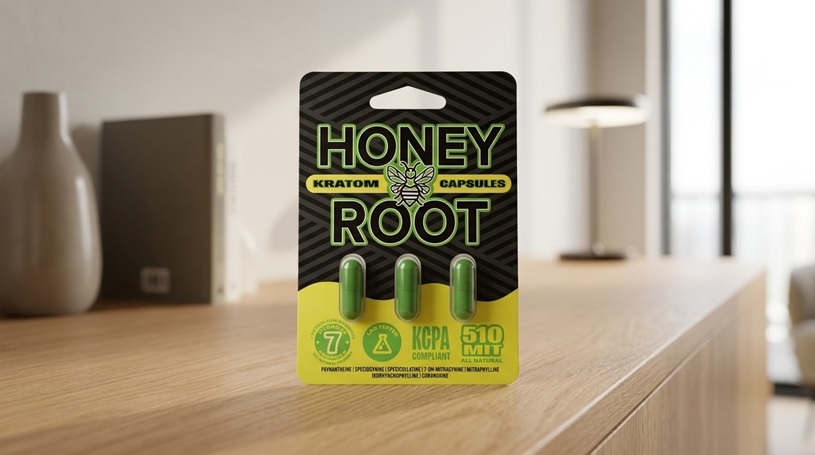
7OH capsules sit in an interesting middle ground in the kratom alkaloid product category. They deliver the same active 7-hydroxymitragynine as tablets but in a different physical package that some users specifically prefer. The capsule shell hides the bitter taste of the extract, removes the chewable format friction some users feel with tablets, and offers the most familiar pharmaceutical style format in the category.
This guide walks through how 7OH capsules differ from tablets, who benefits most from the format, how the pricing compares, and which brands offer reliable capsule products in 2026. For users who have struggled with tablet formats or just prefer the capsule experience, this guide covers what you need to know.
How 7OH Capsules Differ from Tablets?
A 7OH capsule is a two piece gelatin or vegetable shell filled with measured powder containing the active alkaloid. The shell dissolves in the stomach over ten to fifteen minutes, releasing the powder for digestive absorption. Tablets, by contrast, are compressed pills that dissolve more uniformly throughout the digestive tract. The two formats deliver the same active ingredient at the same milligram weight, but the capsule shell offers a few practical advantages including taste neutrality, easier swallowing for users sensitive to pill shapes, and slightly more flexibility in dose adjustment since you can open the capsule and measure custom servings if needed for specific situations.
Taste Experience Compared to Tablets
The single biggest advantage of capsules over tablets is the complete taste neutrality. The shell holds the powder securely inside until it reaches the stomach, which means no bitter alkaloid taste touches your mouth at any point during the dose. For users who specifically dislike the bitter aftertaste of even coated tablets, capsules solve the problem entirely without requiring a switch to edibles or shots that cost more per serving. Even chewable tablets retain some flavor that users sensitive to bitter notes can detect. Capsules eliminate this concern completely while delivering the same active ingredient at competitive pricing on a per milligram basis throughout the catalog.
Onset Speed and Duration
Capsules absorb at roughly the same speed as standard swallowed tablets, with effects typically beginning within thirty to forty minutes after taking the dose. The slightly slower start compared to chewable tablets reflects the time required for the capsule shell to dissolve in the stomach before powder release begins. Duration matches tablets at the same milligram weight, usually two to three hours per serving.
For users who prioritize onset speed, capsules sit in the same speed tier as standard tablets, neither faster nor slower in any meaningful way. The format advantage lies in taste rather than speed, which is the right framing for most buying decisions in this corner of the category.
Dosing Precision and Flexibility
Capsules offer dosing precision similar to tablets at the same brand quality. A 25 mg capsule contains exactly 25 mg of active alkaloid, with manufacturing controls that match the precision standards of compressed tablets. Where capsules pull slightly ahead is the dose flexibility option of opening the capsule and measuring custom powder servings with a milligram scale.
This converts the product temporarily into a powder format with the added benefit of pre-measured starting weight. For users who occasionally want custom servings but do not want to commit to a full powder routine, capsules provide a hybrid solution that offers flexibility without the full equipment requirements. Shop available 7OH capsules.
Pricing Compared to Tablets
On a per milligram basis, capsules typically cost slightly more than tablets at the same brand quality. The premium is usually five to ten percent and reflects the additional manufacturing step of filling capsules versus pressing tablets in the same production process. For most users, the cost difference is small enough that it does not affect the buying decision. The format benefits of taste neutrality and dose flexibility justify the modest premium for users who value those benefits over absolute cost optimization.
For pure cost focus, tablets remain the cheaper choice on a per milligram basis, particularly in larger multi pack quantities where the per pill cost drops most aggressively. The 7oh.com official 7OH marketplace lists capsule and tablet products side by side for direct comparison.
Brands Offering Capsule Products
The capsule category in the 7OH market is smaller than the tablet category, with fewer brands offering capsule versions of their products. Several established premium brands offer capsules as an alternative to their tablet lines, particularly for users who specifically request the format. Selection is improving year over year as demand grows.
For users who specifically want capsules, the brand options are more limited than for tablets, but the available products from premium brands match tablet quality standards including lab testing and batch consistency. Verify that any capsule product you consider comes from an established brand with the same testing rigor expected of their tablet products.
Best Use Cases for Capsules
Capsules work best for users who specifically dislike the taste of tablets, for users who have difficulty swallowing pressed pills due to shape or size preferences, and for users who occasionally want the flexibility of converting their dose into a custom powder serving. They also work well for situations where you want absolutely no visible signs of taking the product, since capsules look like any standard supplement or vitamin and arouse no curiosity.
For users who specifically value taste neutrality combined with familiar pharmaceutical style format, capsules deliver the right combination of benefits at fair pricing. For users curious about the powder option you can also use directly, see 7OH powders.
Frequently Asked Questions
1. Are 7OH capsules stronger than tablets?
No. The active ingredient and milligram weight are the same. The difference is in format and taste, not raw strength.
2. Can I open a capsule and use it as a powder serving?
Yes. Many users open capsules to access the powder inside for custom dosing or mixing into other formats.
3. Do capsules expire faster than tablets?
Capsules and tablets have similar shelf lives when stored properly, typically at least one year of full potency in a cool, dry place.
