Key Takeaways
Potential donor compensation: Eligible donors may receive compensation for their time, depending on the plasma center’s policies and local regulations.
Contribution to lifesaving treatments: Donated plasma is used to manufacture therapies for patients with serious and chronic medical conditions.
Health screenings: Donors typically undergo health assessments before donating, which may help identify concerns that need further medical attention.
Greater health awareness: Routine screening can encourage donors to pay closer attention to their overall well-being.
Educational resources: Plasma centers provide information about donation procedures, eligibility requirements, and donor safety.
Community involvement: Donating plasma gives eligible individuals an opportunity to support patients who rely on plasma-derived medicines.
A structured donation experience: Established centers follow procedures designed to protect donor safety and maintain the quality of collected plasma.
1. Access to Health Screenings and Basic Health Assessments
Understanding Your Health Before Donating
One benefit people may overlook when visiting a plasma center is the health screening process. Before donating, individuals generally undergo an eligibility assessment that may include a health questionnaire, a review of medical history, vital-sign measurements, and other required checks.
These procedures help determine whether a person is eligible to donate safely. Depending on the center’s protocols, donors may also receive information about certain health measurements or laboratory results.
Although these assessments can increase awareness of personal health, they are not a substitute for a comprehensive medical examination. A screening result also cannot establish a diagnosis on its own.
Donors should consult a qualified healthcare professional if they have concerns about their results or experience symptoms that require medical attention.
Why Routine Screening Matters
Regular screening can encourage individuals to pay closer attention to their health and recognize when additional medical advice may be necessary.
Potential benefits include:
- Becoming more aware of basic health measurements.
- Understanding the importance of meeting donation eligibility requirements.
- Recognizing when a medical consultation may be appropriate.
- Developing a more proactive approach to personal health.
The main advantage is greater awareness, rather than a guarantee that donating plasma will improve someone’s health.
2. Compensation That Can Supplement Personal Income
Understanding Plasma Donation Compensation
Some plasma collection centers compensate eligible donors for their time and participation. For individuals who qualify, this compensation may provide additional money for everyday expenses.
The amount offered can vary depending on the center, location, promotional offers, and applicable regulations. Donors should review the payment policy carefully and understand any eligibility conditions before scheduling an appointment.
For people researching their options, a reputable plasma center can provide information about available locations, donation requirements, and compensation policies.
It is important to remember that compensation should not be the only consideration when deciding whether to donate. Donors should prioritize their health, follow professional guidance, and ensure they meet all eligibility requirements.
Making an Informed Financial Decision
Before participating, consider the time required for screening and donation, transportation expenses, and the center’s payment terms.
Useful questions to ask include:
- What compensation is currently available?
- Are there requirements for receiving promotional payments?
- How long does the entire appointment usually take?
- What documents are required during the first visit?
- Are there any restrictions on donation frequency?
Understanding these details helps potential donors make realistic decisions without relying on assumptions about how much they can earn.
3. Helping Patients Access Lifesaving Treatments
The Important Role of Donated Plasma
One of the most meaningful benefits of plasma donation is its contribution to modern healthcare. Plasma contains proteins and antibodies that are essential for several medical treatments.
Collected plasma can be processed to manufacture plasma-derived medicines used by patients with certain immune deficiencies, bleeding disorders, and other serious medical conditions. These therapies may be necessary for people who depend on regular treatment to manage their health.
Unlike a simple financial transaction, plasma donation connects eligible donors with a broader healthcare system that supports patients who need specialized therapies.
Supporting Patients Through Community Participation
A reliable supply of donated plasma helps support the production of medicines that cannot always be replaced by other treatments.
By participating through an authorized collection facility, eligible donors contribute to a process that may help patients maintain their treatment plans and quality of life.
However, the number of patients who ultimately benefit depends on how the collected plasma is processed and used. The impact of an individual donation can therefore vary.
4. Access to Educational Resources About Donor Safety
Learning About Eligibility and Donation Procedures
Another benefit people may overlook is the opportunity to learn more about plasma donation and the precautions involved.
Plasma collection centers generally provide instructions about eligibility, preparation, the donation process, and aftercare. Staff members can explain what donors should expect during an appointment and what steps may help them prepare appropriately.
For first-time donors, this information can make the experience less intimidating and help them understand the importance of following safety instructions.
Educational resources may cover:
- Required identification and eligibility documents.
- Health conditions or medications that may affect eligibility.
- Recommended food and fluid intake before donation.
- What happens during screening and collection.
- Aftercare instructions and symptoms that require medical attention.
Donors should always follow the specific guidance provided by their collection center and consult a healthcare professional when uncertain about their suitability for donation.
Making Better-Informed Decisions
Reliable information helps potential donors evaluate whether plasma donation is appropriate for them. It also allows them to distinguish established safety guidance from unsupported claims about the health benefits of donating.
Being informed is particularly important for individuals who donate regularly, since eligibility and donation frequency must follow applicable medical and regulatory requirements.
5. Building Stronger Community Connections
Participating in a Shared Healthcare Mission
Plasma donation provides an opportunity for eligible individuals to participate in a healthcare process that benefits people beyond their immediate social circles.
Patients who rely on plasma-derived therapies may need treatment over extended periods. Consistent participation by eligible donors helps support the supply chain that makes these therapies available.
This shared purpose can create a sense of community involvement and encourage conversations about the importance of plasma donation.
Encouraging Responsible Awareness
Donors can also help raise awareness by sharing accurate information about eligibility, donation procedures, and the needs of patients who use plasma-derived medicines.
Community awareness initiatives may include educational events, informational materials, and discussions about the role of plasma in healthcare.
When sharing personal experiences, donors should avoid presenting individual outcomes as universal medical benefits. Accurate information helps others make informed decisions about whether donation is right for them.
6. A Structured and Professionally Supervised Donation Experience
Understanding the Donation Process
For many first-time donors, uncertainty about the procedure can be a barrier to participation. Established collection centers use structured processes to assess eligibility, collect plasma, and provide instructions before and after donation.
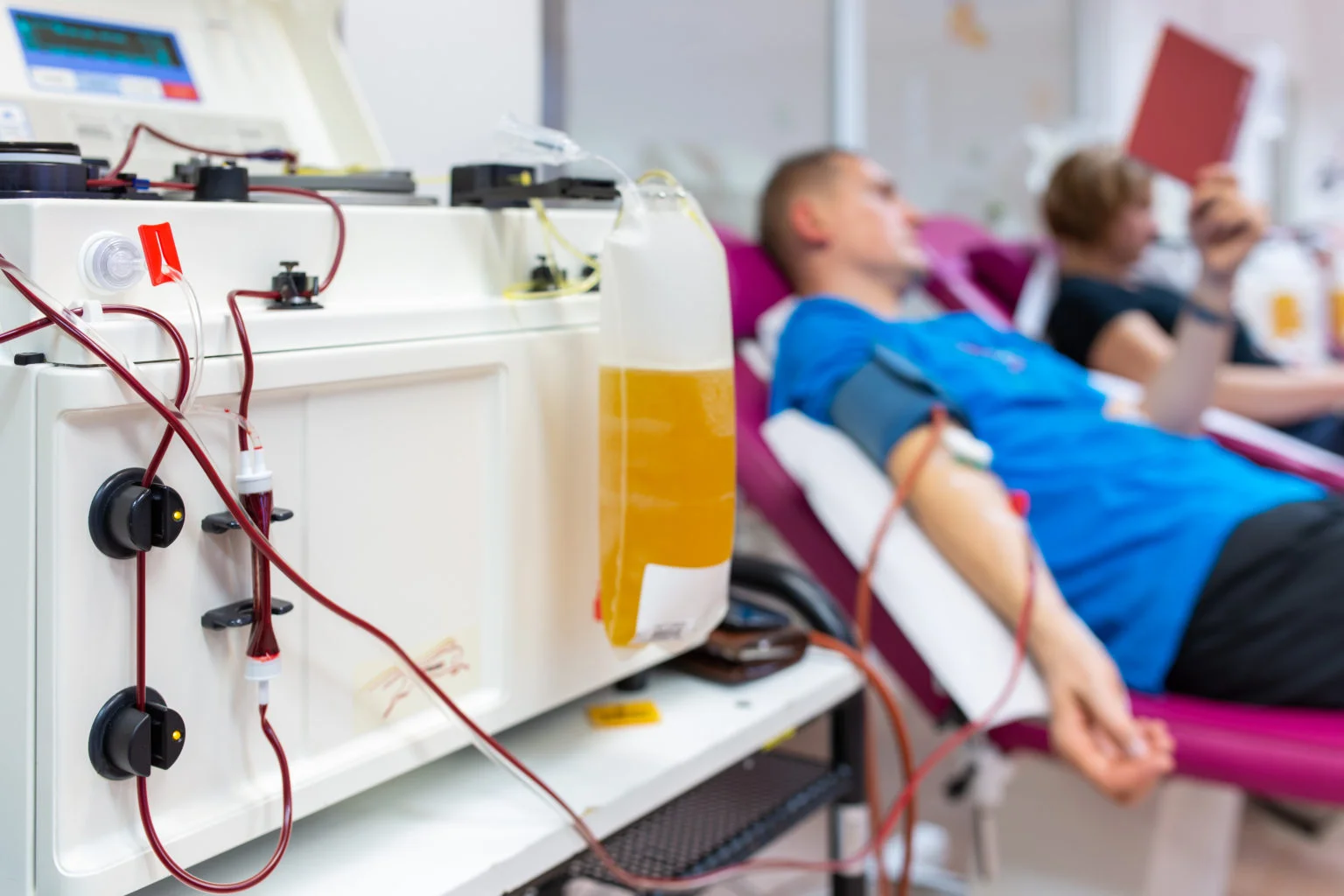
During a typical appointment, staff members explain the procedure and check whether the donor meets the applicable requirements. The collection process uses specialized equipment to separate plasma from other blood components, which are generally returned to the donor according to the procedure used.
The duration of an appointment varies depending on whether it is a first visit or a subsequent donation, as well as individual and operational factors.
Why Following Safety Procedures Is Important
Plasma donation is generally well tolerated by eligible donors, but it is not entirely risk-free. Some individuals may experience dizziness, bruising, fatigue, or other adverse effects.
To support a safer experience:
- Follow the center’s instructions before and after donating.
- Eat appropriately and maintain adequate hydration as advised.
- Inform staff about relevant medical conditions and medications.
- Report discomfort or unusual symptoms during the procedure.
- Follow the center’s guidance on recovery and the interval before another donation.
Professional screening and supervision are important safeguards, but they do not eliminate every possible risk.
7. Developing Greater Awareness of Personal Well-Being
Making Health a More Consistent Priority
The screening and preparation involved in plasma donation can encourage some individuals to pay closer attention to their daily habits.
For example, donors may become more conscious of hydration, nutrition, rest, and the importance of disclosing relevant health information before an appointment.
These habits can support general well-being, although donating plasma itself has not been established as a way to strengthen the immune system, accelerate healing, or prevent illness in otherwise healthy donors.
The key is to view donation as a contribution to healthcare rather than a personal health treatment.
Recognizing When Donation May Not Be Appropriate
Not everyone is eligible to donate plasma at every appointment. Health conditions, certain medications, recent illnesses, and other factors may affect eligibility.
Individuals should answer screening questions honestly and avoid donating when they have been advised not to do so. Anyone experiencing persistent fatigue or other concerning symptoms should seek appropriate medical advice rather than assuming donation will improve their condition.
Taking a responsible approach protects both the donor and the people who depend on plasma-derived treatments.
FAQ
What Are the Main Benefits of Visiting a Plasma Center?
Potential benefits include the opportunity to contribute to lifesaving therapies, receive compensation where available, complete required health screenings, access educational resources, and participate in a community-focused healthcare process. The specific benefits depend on the center’s policies and local regulations.
Does Donating Plasma Improve the Immune System?
There is insufficient evidence to recommend plasma donation as a way to strengthen the immune system or prevent common illnesses. Plasma contains important antibodies and proteins, but donating it should not be considered an immune-boosting treatment.
Can Plasma Donation Help the Body Heal Faster?
Plasma donation has not been established as a method for accelerating healing. The body needs time to replenish donated components, and frequent donation must follow established eligibility and safety guidelines.
Do Plasma Centers Pay Donors?
Some plasma collection centers offer compensation to eligible donors. Payment amounts and conditions vary by location, center policy, and applicable regulations. Contact the specific center for current details.
What Health Screenings Are Required Before Donating Plasma?
Screening commonly includes a health questionnaire, medical history review, vital-sign checks, and other assessments required by the center. Additional testing may be conducted according to applicable procedures. Screening helps assess eligibility but does not replace routine healthcare.
How Long Does a Plasma Donation Appointment Take?
The duration varies by center and donor. First-time visits generally take longer because they include registration and eligibility screening, while subsequent appointments may be shorter. Ask the collection center for its current estimated appointment duration.
Is Plasma Donation Safe for Everyone?
No. Eligibility depends on factors such as age, weight, medical history, current health, and local requirements. Even eligible donors may experience side effects. A qualified collection center must determine whether an individual can donate safely.
How Can I Find a Suitable Plasma Center?
Research authorized collection facilities in your area and verify their eligibility requirements, operating hours, safety procedures, and compensation policies where applicable. Contact the center directly before visiting to confirm that it accepts new donors and to understand the documentation required.
Useful Resources
- American Red Cross
- Plasma Alliance
- S. Food and Drug Administration (FDA)
- AABB – Advances in Blood Management
- World Health Organization (WHO)
- Centers for Disease Control and Prevention (CDC)
- Healthline – Health Information & News
- Mayo Clinic
