Obesity can affect many areas of a person’s life, including mobility, energy levels, and confidence. Although diet and exercise can help with weight loss, achieving and maintaining long-term results is often difficult for many individuals. Gastric bypass surgery is a type of bariatric surgery designed to support long-term weight loss by changing how the body processes food. In addition to helping patients lose weight, the procedure may also improve obesity-related health conditions and overall quality of life. Before choosing gastric bypass surgery, it is important to understand how the procedure works, the recovery process, possible risks, and the lifestyle changes needed for long-term success.
Understanding Gastric Bypass Surgery
Gastric bypass surgery, or Roux-en-Y, is a bariatric procedure that creates a small stomach pouch and reroutes the small intestine to it, limiting food intake and bypassing part of the stomach and upper intestine. This helps patients feel full sooner and absorb fewer calories. In addition to weight loss, it may improve obesity-related conditions such as type 2 diabetes, high blood pressure, and sleep apnea.
What Gastric Bypass Surgery Involves
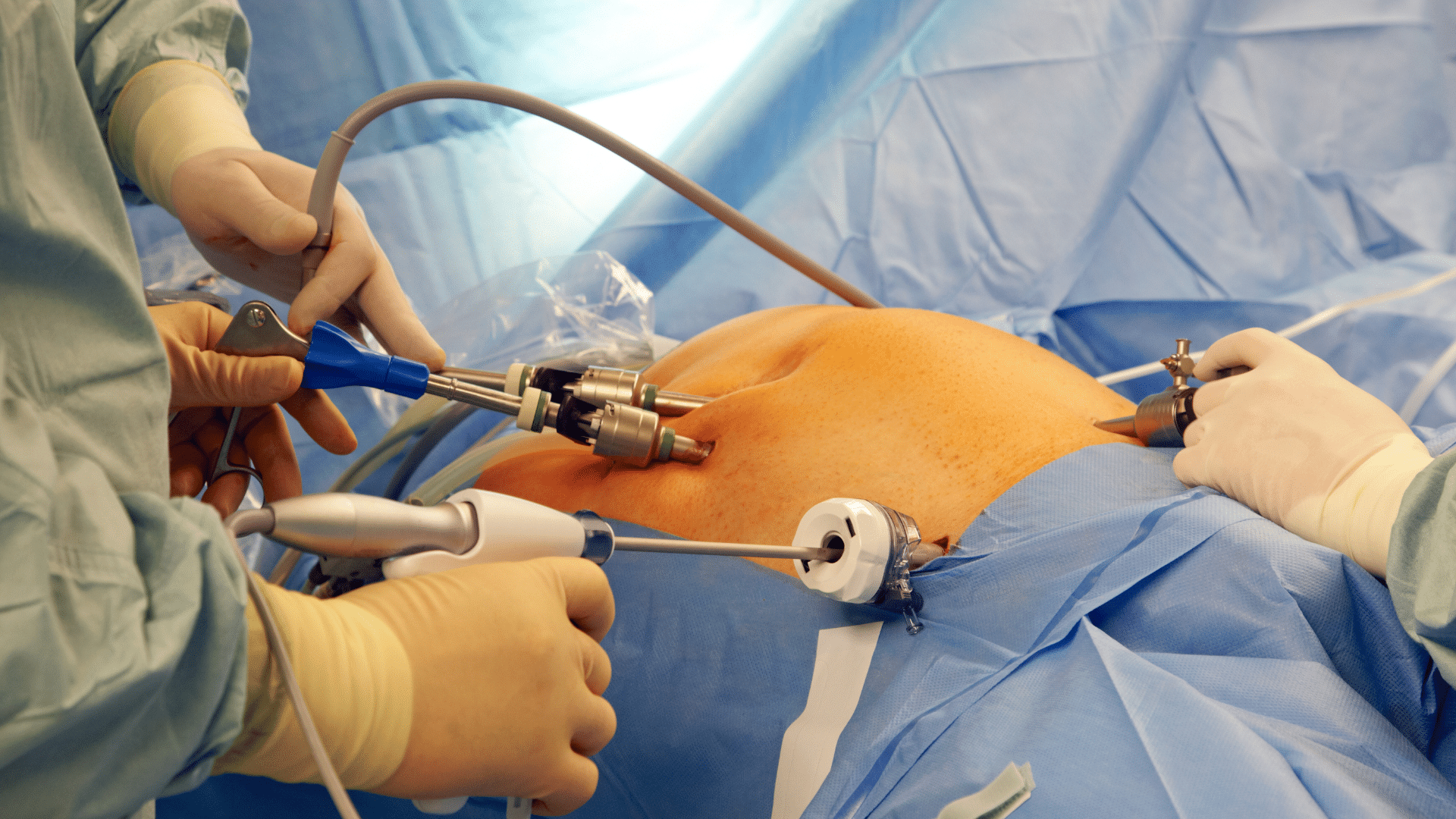
Gastric bypass surgery is typically performed using minimally invasive laparoscopic techniques, which involve several small incisions and promote faster recovery. The procedure generally includes the following steps:
- Creating a Small Stomach Pouch: The surgeon separates a small section of the stomach to create a pouch that holds a limited amount of food.
- Rerouting the Small Intestine: A portion of the small intestine is connected directly to the newly-created stomach pouch. This allows food to bypass part of the digestive tract.
Because food travels through a shorter section of the digestive system, the body absorbs fewer calories and nutrients. This change, combined with reduced food intake, helps support long-term weight loss.
Most patients remain in the hospital for a short period after surgery and follow a carefully structured recovery and nutrition plan recommended by their bariatric care team.
How Gastric Bypass Surgery Supports Long-Term Weight Loss
Gastric bypass surgery promotes long-term weight loss through a combination of physical, hormonal, and metabolic changes:
- Reduced Food Intake and Portion Control: The smaller stomach pouch limits food intake, helping patients feel full faster and eat smaller portions.
- Changes in Appetite and Hunger Hormones: The surgery reduces hunger by altering hormones like ghrelin, making it easier to control appetite.
- Metabolic Improvements After Surgery: Gastric bypass improves metabolism and insulin sensitivity, aiding in better blood sugar control and weight management.
However, it is important to know that maintaining weight loss requires adopting healthy eating habits, engaging in regular physical activity, and committing to lasting behavioral changes.
Who May Be a Candidate for Gastric Bypass Surgery?
Gastric bypass surgery is typically recommended for adults who meet certain criteria related to body weight, health conditions, and readiness for lifestyle changes:
- Severe obesity: Adults with a body mass index (BMI) of 40 or higher.
- Moderate obesity with health complications: Adults with a BMI of 30–39.9 who also have obesity-related health conditions, including type 2 diabetes, sleep apnea and high blood pressure
- Previous weight loss attempts: Adults with a BMI of 30–39.9 who have tried other methods, like diet and exercise, without success.
- Readiness for lifestyle change: A strong commitment to adopting healthy eating habits, regular physical activity, and long-term behavioral changes.
Risks and Potential Complications of Gastric Bypass Surgery
While gastric bypass is generally safe, it’s important to understand the risks, including complications like infection or nutritional deficiencies.
- Surgical Risks
As with any major surgery, gastric bypass carries risks such as infection at the incision site, blood clots (which can lead to pulmonary embolism), and leaks at the stomach-intestine connections. Additionally, anesthesia complications may occur, especially in patients with existing health conditions. While these risks are rare, they are carefully assessed before surgery.
- Nutritional Deficiencies
Due to changes in the digestive system, patients may experience nutritional deficiencies over time. The surgery can limit the absorption of iron, vitamin B12, calcium, and vitamin D, leading to anemia, neurological issues, and weakened bones. Lifelong supplementation and a strict diet are essential to prevent these deficiencies.
- Dumping Syndrome
Dumping syndrome occurs when food moves too quickly from the stomach to the small intestine, causing nausea, vomiting, diarrhea, and sweating. This condition is triggered by consuming sugary or high-fat foods. While not dangerous, dumping syndrome can be uncomfortable and is typically managed by adhering to dietary guidelines.
Importance of Long-Term Medical Follow-Up
Long-term medical follow-up is essential after gastric bypass surgery to ensure ongoing health and weight loss success. Regular check-ups allow healthcare providers to monitor progress, address potential complications, and adjust dietary plans or supplements to prevent nutritional deficiencies. These visits also provide support for adopting healthy lifestyle changes, helping patients maintain their weight loss and overall well-being in the long run.
What to Expect During Recovery
Recovery from gastric bypass surgery involves a hospital stay followed by a gradual return to normal activities. Understanding the recovery timeline and expectations will help ensure a smooth and successful healing process.
Hospital Stay and Immediate Recovery
After gastric bypass surgery, patients typically stay in the hospital for 2 to 3 days. During this time, they will be monitored for any complications such as infection or bleeding. Pain management will be provided, and patients will begin to walk short distances to promote circulation and reduce the risk of blood clots. A liquid diet will be introduced, and patients will gradually begin to adjust to their new eating routine.
Recovery Timeline
The initial recovery period lasts about 2 to 4 weeks. During this time, most patients can expect to experience fatigue and some discomfort as they heal. By the 6-week mark, many individuals are able to resume light activities, but more strenuous exercises should be avoided for up to 12 weeks. Full recovery, including the adaptation to a new diet and lifestyle, may take 6 months to a year.
Returning to Daily Activities and Work
Patients can typically return to work within 1 to 2 weeks, depending on the type of job and their individual recovery progress. For more physically demanding work, it may take longer. Gradually, daily activities like driving, exercising, and cooking can be resumed, but it’s important to follow the surgeon’s advice on physical activity to avoid strain during the recovery process. Regular follow-up appointments will ensure progress is on track and help address any concerns.
How Much Weight Can Patients Lose After Gastric Bypass Surgery?
Gastric bypass surgery leads to significant weight loss by reducing stomach size and altering digestion. However, the amount of weight lost and the timeline for achieving results can vary from patient to patient. Here’s what you can generally expect:
Typical Weight Loss Timeline
In the first 3 to 6 months after surgery, patients typically experience rapid weight loss, often losing 30-50% of their excess weight. After the first year, weight loss slows down, but most patients will continue to lose weight for up to 18-24 months. By the 2-year mark, many patients achieve around 60-80% of their excess weight loss.
| Time After Surgery | Typical Progress |
| First 3 Months | Rapid weight loss phase |
| 6 Months | Continued weight reduction |
| 12 Months | Significant excess weight loss |
| Long-Term | Weight stabilization and maintenance |
Factors That Affect Weight Loss Results
Several factors can influence weight loss after gastric bypass surgery, including:
- Adherence to post-surgery diet and exercise plans
- Metabolism and age
- Presence of other health conditions (e.g., thyroid issues, hormonal imbalances)
- Psychological factors such as emotional eating or stress
- Follow-up care and support from medical professionals
Lifestyle Changes Needed for Long-Term Success
Long-term success after gastric bypass surgery requires commitment to healthy lifestyle changes, including physical activity, sustainable eating habits, and managing mental health factors like sleep and stress.
Physical Activity and Exercise
Incorporating regular physical activity into your routine is essential for maintaining weight loss. After recovery, start with light exercises like walking and gradually increase intensity. Exercise not only helps burn calories but also improves overall health, muscle strength, and cardiovascular fitness.
Building Sustainable Eating Habits
Developing sustainable eating habits is critical for long-term success. This includes eating smaller, nutrient-dense meals, prioritizing healthy foods, and practicing portion control. Adopting these habits helps prevent weight gain and ensures proper nourishment for overall well-being.
Sleep, Stress, and Behavioral Health
Proper sleep, stress management, and addressing emotional health are vital for weight loss success. Lack of sleep and high stress can lead to overeating or poor food choices. Managing these factors through relaxation techniques and support can help you stay on track with your health goals.
Emotional and Mental Health Changes After Weight Loss Surgery
Gastric bypass surgery not only brings physical changes but also significant emotional and mental adjustments, impacting body image, self-confidence, and overall well-being.
Body Image and Self-Confidence
After significant weight loss, many patients experience a positive shift in body image and self-confidence. However, adjusting to a new body can take time, and some may feel self-conscious or face challenges accepting their new appearance. This transformation often requires emotional support and patience as patients embrace their progress.
Emotional Adjustments After Major Weight Loss
While weight loss can lead to increased happiness and confidence, it may also bring emotional challenges. Patients may face issues such as anxiety, depression, or frustration during their weight loss journey. Managing these emotions is essential for maintaining mental health and preventing setbacks in one’s progress.
Support Systems and Counseling Resources
Having a strong support system is crucial for emotional well-being after surgery. Family, friends, and support groups can provide encouragement and motivation. Additionally, seeking professional counseling or therapy can help patients cope with emotional challenges, build healthy coping mechanisms, and ensure a smoother transition into their new lifestyle.
Importance of Choosing the Right Bariatric Surgeon
Choosing the right gastric bypass surgeon is essential for the success of your weight loss surgery. Look for a surgeon with experience in performing bariatric procedures to ensure you’re in capable hands throughout your journey.
Experience and Board Certification
A highly qualified bariatric surgeon with extensive experience in performing gastric bypass surgeries can greatly reduce the risk of complications. Surgeons who are board-certified in bariatric surgery demonstrate a commitment to the highest standards of practice and advanced training, ensuring they are up-to-date with the latest minimally invasive and robot-assisted techniques and safety protocols.
Questions to Ask During Consultation
During your consultation, asking the right questions can help you assess the surgeon’s qualifications and approach to patient care. Consider asking:
- How many gastric bypass surgeries have you performed?
- What is your complication rate?
- What kind of post-surgery support do you offer?
- How do you handle follow-up care for long-term weight management?
These questions help ensure the surgeon aligns with your expectations and provides the expertise needed for your weight loss journey.
Importance of Long-Term Patient Support
Bariatric surgery doesn’t end once the procedure is complete; long-term success depends on continuous support. A skilled surgeon will offer comprehensive post-surgery follow-up, including nutritional counseling, lifestyle guidance, and emotional support, ensuring that patients stay on track for sustained weight loss. Personalized care plans and regular check-ups are key to addressing any challenges and helping patients make the necessary adjustments for lasting success.
Gastric Bypass Surgery: A Path Towards Better Health
Gastric bypass surgery offers long-term weight loss and can improve obesity-related health conditions like type 2 diabetes, sleep apnea, and high blood pressure. By reducing stomach size and altering digestion, this procedure helps patients achieve sustainable weight loss. Understanding the procedure, recovery, and benefits is essential in making an informed decision about your health.
Whether you are looking for a bariatric surgeon in Dallas, Fort Worth, Plano, Mansfield, or anywhere else, making the right choice is crucial for long-term success. Consulting with an experienced gastric bypass surgeon will ensure you’re fully informed and ready for the journey ahead. A trusted bariatric surgeon with expertise in the procedure, like Dr. Sachin Kukreja at the DFW Bariatrics and General Surgery, can provide the personalized guidance you need. Take the first step toward better health, schedule a consultation today and explore how gastric bypass surgery can help you achieve your weight loss goals and improve your overall well-being.
