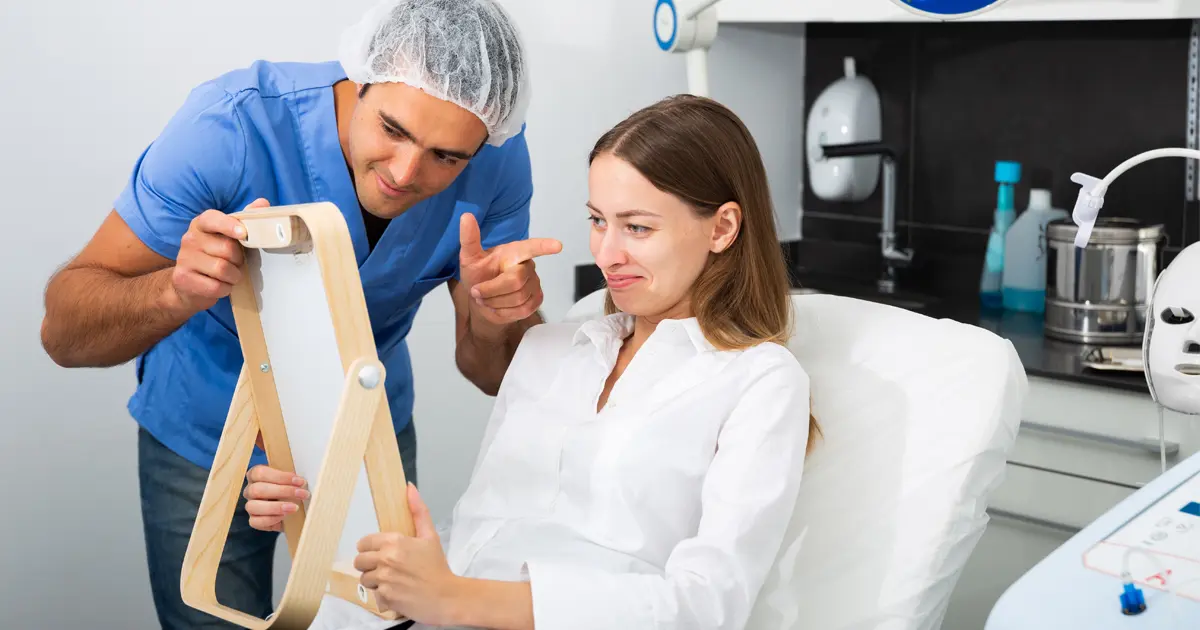
Hair and nails are essential indicators of overall health, and issues affecting them can significantly impact confidence and quality of life. Clinical dermatology provides specialized care and advanced solutions for diagnosing, managing, and treating hair and nail disorders. With a combination of medical expertise, innovative treatments, and personalized care, dermatologists address both cosmetic and functional concerns to restore health and appearance.
Understanding Hair Disorders and Their Treatments
Hair disorders are among the most common reasons patients seek clinical dermatology services. Conditions such as alopecia areata, androgenetic alopecia, telogen effluvium, and trichotillomania affect both men and women and can have profound emotional and psychological effects. Clinical dermatology evaluates the underlying causes of hair loss, which may include genetic factors, hormonal imbalances, nutritional deficiencies, autoimmune diseases, or stress.
Treatment approaches vary based on the specific condition and patient needs. Topical medications such as minoxidil stimulate hair growth, while oral therapies target hormonal influences or immune responses. Advanced procedures, including platelet-rich plasma therapy and low-level laser therapy, are increasingly used to promote hair regeneration and strengthen existing strands. In some cases, hair transplantation may be recommended to restore density and natural appearance.
Clinical dermatology also emphasizes preventive strategies. Nutritional counseling, stress management, and lifestyle adjustments can complement medical treatments, reducing further hair loss and promoting healthier hair growth. Personalized care plans ensure that patients receive targeted solutions that address both the root cause and visible symptoms.
Nail Disorders and Specialized Dermatology Care
Nails can reflect internal health and are prone to a variety of disorders, including fungal infections, psoriasis, trauma-related deformities, and nail dystrophies. Clinical dermatology evaluates nail conditions through careful examination and, when necessary, diagnostic testing such as cultures or biopsies. Accurate diagnosis is crucial for effective treatment, as different disorders may appear similar but require distinct therapeutic approaches.
Treatment options in clinical dermatology include topical antifungal agents, oral medications, and procedural interventions such as nail debridement or laser therapy. For conditions like psoriasis or lichen planus affecting the nails, systemic treatments may be necessary to address underlying inflammatory processes. Advanced dermatology techniques focus not only on improving the appearance of nails but also on restoring their function and preventing complications such as pain or secondary infections.
Education and patient compliance are essential components of effective nail care. Dermatologists provide guidance on proper nail hygiene, preventive measures, and home care strategies. Patients are taught to recognize early warning signs of infection or disorder progression, enabling timely intervention and minimizing long-term damage.
Integrating Advanced Solutions in Clinical Dermatology
Clinical dermatology has evolved with technological advancements, offering innovative solutions for both hair and nail disorders. Non-invasive imaging tools, molecular diagnostics, and regenerative therapies enable dermatologists to tailor treatments more precisely than ever before. This integration of science and technology enhances the efficacy of treatments while minimizing discomfort and recovery time.
For hair disorders, advanced dermatology solutions include stem cell therapies, microneedling combined with growth factors, and laser-based treatments that stimulate follicle activity. These approaches are designed to restore density, improve texture, and reduce shedding, providing patients with visible and lasting results. Similarly, for nail disorders, laser therapy, photodynamic treatment, and targeted oral medications offer faster recovery and reduced recurrence compared to traditional therapies.
Patient-centered care is a hallmark of modern clinical dermatology. Dermatologists develop individualized plans based on the patient’s medical history, lifestyle, and specific goals. By combining advanced treatments with supportive care, patients experience not only physical improvements but also enhanced confidence and quality of life.
The Importance of Early Intervention and Preventive Care
Early intervention is key to successful outcomes in hair and nail disorders. Clinical dermatology emphasizes routine examinations, timely diagnosis, and proactive treatment to prevent irreversible damage. Patients who seek care at the onset of symptoms often achieve better results and require less invasive procedures.
Preventive strategies include educating patients on proper hair and nail care, addressing nutritional deficiencies, and monitoring underlying health conditions that may contribute to disorders. Regular check-ups and adherence to prescribed treatment plans ensure long-term health and aesthetics. Clinical dermatology also plays a critical role in managing chronic or recurring conditions, providing ongoing support and adjusting therapies as needed to maintain optimal results.
Advanced clinical dermatology solutions for hair and nail disorders exemplify the integration of medical expertise, innovative treatments, and personalized care. By addressing both cosmetic and functional concerns, dermatologists help patients achieve healthier hair and nails, restore confidence, and improve overall well-being. Early intervention, preventive measures, and cutting-edge therapies are central to effective treatment, making clinical dermatology an essential resource for anyone experiencing hair or nail issues.
Through a comprehensive approach that combines diagnosis, innovative therapies, and ongoing patient support, clinical dermatology ensures that hair and nail disorders are managed effectively and efficiently. Patients benefit from treatments that are both safe and effective, restoring the natural appearance of hair and nails while enhancing health and confidence.
