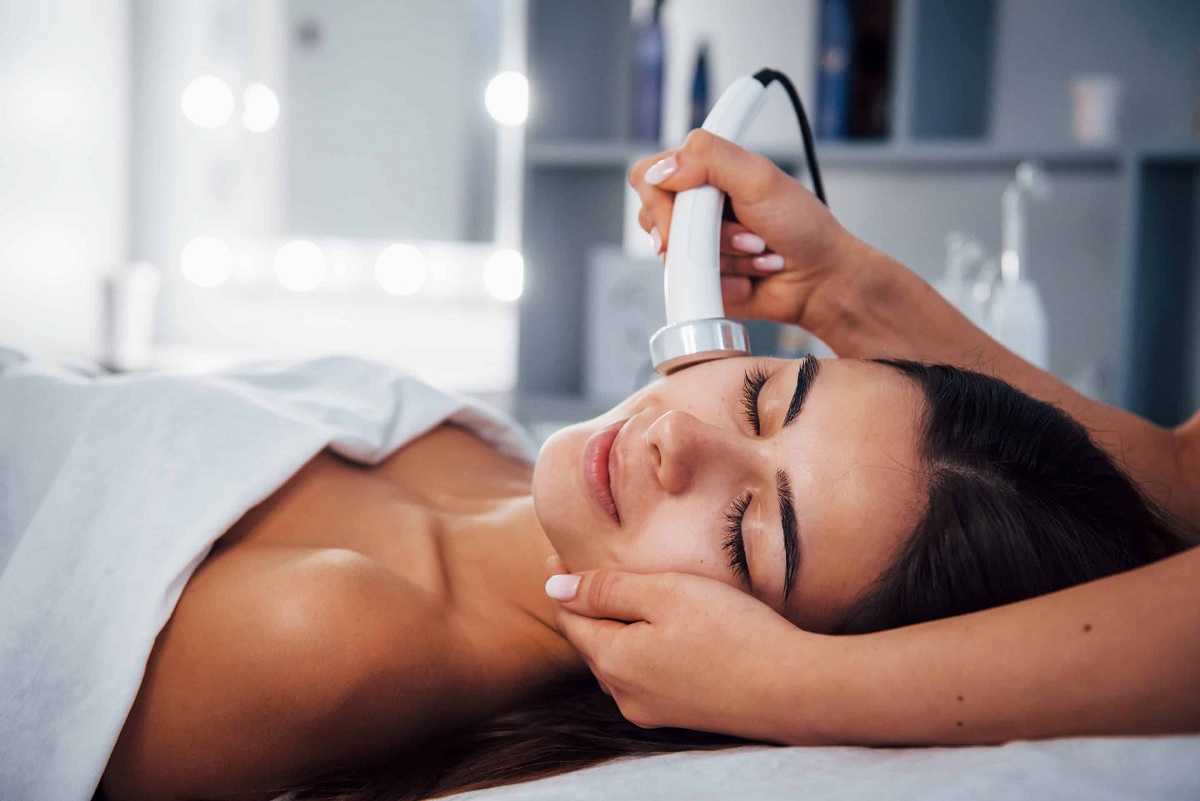
The beauty industry in London is witnessing a transformation in 2025, driven by advancements in laser technology that are redefining aesthetic treatments. From skin rejuvenation to hair removal, lasers are becoming more precise, accessible, and tailored to individual needs. These innovations are not only enhancing treatment outcomes but also aligning with consumer demands for non-invasive, efficient, and sustainable solutions. A specialist at Medspa Beauty Clinic notes, “The evolution of laser technology is enabling practitioners to deliver highly personalised results with minimal discomfort, making treatments like laser hair removal London more effective and appealing to a diverse clientele.” This article explores seven key trends shaping laser technology in the beauty sector for 2025, offering insights into how these developments are influencing London’s aesthetics landscape.
Multi-Wavelength Laser Systems for Versatility
Laser technology in 2025 is increasingly defined by multi-wavelength systems that combine multiple laser types into a single device. These systems, such as those using 755nm, 808nm, 940nm, and 1064nm wavelengths, allow practitioners to address a wide range of skin and hair types with greater precision. Unlike older single-wavelength lasers, these advanced platforms can target different depths of skin and hair follicles, making treatments like laser hair removal London suitable for diverse skin tones, including darker complexions that were previously challenging to treat. The ability to switch wavelengths during a session enhances efficiency, reducing the number of sessions required for optimal results. Clinics in London are adopting these systems to cater to the city’s multicultural population, ensuring treatments are both inclusive and effective. This versatility also extends to other applications, such as pigmentation correction and vascular lesion treatments, making multi-wavelength lasers a cornerstone of modern aesthetic practices.
The adoption of these systems is driven by consumer demand for faster, more effective treatments. In London, where busy lifestyles dominate, clients value the reduced treatment times and fewer follow-up visits. The technology’s ability to adapt to individual characteristics, such as melanin levels or hair thickness, ensures safer outcomes with minimal risk of burns or hyperpigmentation. As a result, multi-wavelength systems are setting a new standard for aesthetic treatments, offering practitioners the flexibility to address multiple concerns in a single session.
AI-Integrated Treatment Protocols
Artificial intelligence is transforming laser technology by enabling real-time analysis and customisation of treatments. In 2025, AI-integrated laser devices are becoming more prevalent in London’s beauty clinics, where they analyse skin and hair characteristics during consultations. These systems use algorithms to assess factors like skin tone, hair density, and sensitivity, adjusting laser settings to optimise results and minimise side effects. For instance, in procedures like laser hair removal London, AI can determine the ideal energy level and pulse duration for each client, reducing discomfort and improving efficacy.
This technology also enhances treatment planning by predicting outcomes based on historical data and patient profiles. Clinics can offer personalised treatment plans that align with clients’ aesthetic goals, whether they seek hair removal, skin resurfacing, or scar reduction. AI’s role extends to post-treatment care, where it tracks progress and suggests adjustments for subsequent sessions. In London, where clients expect cutting-edge solutions, AI-driven lasers are elevating the standard of care, making treatments more precise and reliable.
The integration of AI also streamlines clinic operations. By automating skin assessments and treatment adjustments, practitioners can focus on client interaction and care, enhancing the overall experience. This trend is particularly significant in high-end clinics across London, where technology-driven solutions are a key differentiator in a competitive market.
Enhanced Cooling Technologies for Comfort
Comfort during laser treatments has long been a concern for clients, particularly in procedures like laser hair removal London, where heat can cause discomfort. In 2025, advanced cooling technologies are addressing this issue by incorporating multi-layered cooling systems into laser devices. These systems use dynamic cooling methods, such as cryogen sprays or sapphire contact cooling, to protect the skin’s surface while allowing deeper penetration of laser energy. The result is a more comfortable experience with reduced risk of burns or irritation.
London clinics are prioritising these technologies to attract clients who may have previously avoided laser treatments due to pain concerns. Enhanced cooling also enables higher energy settings, which can improve treatment efficacy without compromising safety. For example, in skin rejuvenation procedures, cooling systems allow practitioners to target deeper skin layers to stimulate collagen production while keeping the surface cool and protected. This trend is making laser treatments more appealing to a broader audience, including those with lower pain tolerances or sensitive skin.
The focus on comfort is also driving innovation in at-home laser devices, though professional systems remain superior in power and precision. Clinics in London are leveraging these advancements to differentiate their services, offering a spa-like experience that combines efficacy with relaxation.
Sustainable Laser Practices
Sustainability is a growing priority in London’s beauty industry, and laser technology is no exception. In 2025, clinics are adopting eco-friendly practices, such as using energy-efficient laser devices and implementing sustainable waste disposal methods. These efforts align with consumer demand for environmentally responsible beauty treatments, particularly among younger demographics who prioritise green practices. For instance, some clinics are investing in lasers that consume less power while maintaining high performance, reducing their carbon footprint.
Additionally, manufacturers are designing devices with recyclable components and longer lifespans, minimising waste. In London, where environmental consciousness is high, clinics that adopt these practices are gaining a competitive edge. Clients are increasingly choosing providers that demonstrate a commitment to sustainability, making it a key differentiator in the market. This trend extends to packaging and consumables used during treatments, with clinics opting for biodegradable or reusable materials.
The emphasis on sustainability also influences treatment protocols. For example, energy-efficient lasers can perform procedures like laser hair removal London with lower power consumption, reducing costs for clinics and clients alike. This trend reflects a broader shift towards responsible beauty practices that balance efficacy with environmental impact.
Fractional Lasers for Skin Rejuvenation
Fractional laser technology is experiencing a resurgence in 2025, driven by its effectiveness in skin rejuvenation. These lasers create microscopic columns of thermal injury in the skin, stimulating collagen and elastin production while leaving surrounding tissue intact. This approach results in faster recovery times and fewer side effects compared to traditional ablative lasers. In London, fractional lasers are gaining popularity for treating fine lines, acne scars, and uneven skin tone, offering clients a non-surgical path to youthful skin.
The latest fractional lasers are more precise, allowing practitioners to customise treatment depth and intensity based on the client’s needs. For example, lighter settings can address superficial concerns like pigmentation, while deeper settings target scars or wrinkles. This flexibility makes fractional lasers suitable for a wide range of skin types and conditions, appealing to London’s diverse population.
The rise of fractional lasers is also driven by consumer demand for preventative skincare. Younger clients, particularly millennials, are seeking treatments to maintain skin health before visible signs of ageing appear. Clinics in London are capitalising on this trend by offering tailored fractional laser packages that combine skin rejuvenation with other treatments, such as chemical peels or microneedling, for enhanced results.
High-Power Output Devices for Efficiency
High-power output laser devices are redefining efficiency in 2025, delivering faster and more effective treatments. These systems, often exceeding 1000W in power, allow practitioners to achieve optimal results in fewer sessions. For procedures like laser hair removal London, high-power lasers target hair follicles more effectively, reducing the need for multiple visits. This efficiency is particularly appealing in London, where clients value quick, results-driven treatments that fit into busy schedules.
These devices also support larger treatment windows, with spot sizes up to 14x25mm, covering more skin in less time. This advancement reduces session durations by up to 40% compared to older technologies, making treatments more convenient for clients and cost-effective for clinics. High-power lasers are also being used for other applications, such as tattoo removal and vascular lesion treatments, where their ability to deliver concentrated energy improves outcomes.
While high-power lasers require skilled operators to ensure safety, their adoption in London clinics is growing due to their ability to deliver consistent, high-quality results. Clients benefit from shorter treatment courses and faster recovery, making these devices a game-changer in the aesthetics industry.
At-Home Laser Devices and Professional Standards
The rise of at-home laser devices in 2025 is making aesthetic treatments more accessible, but professional standards remain unmatched. These devices, designed for convenience, offer lower power outputs and are suitable for basic hair removal or mild skin rejuvenation. However, they lack the precision and power of professional systems, particularly for complex treatments. In London, clinics are responding by educating clients about the benefits of professional treatments, emphasising safety and efficacy.
At-home devices are appealing to cost-conscious consumers, but improper use can lead to burns, irritation, or suboptimal results. Professional clinics in London are countering this trend by offering introductory packages and consultations to demonstrate the value of in-clinic treatments. For example, a thorough consultation before laser hair removal London ensures personalised settings that maximise results while minimising risks.
The coexistence of at-home and professional laser treatments reflects a broader trend towards accessibility and education in the beauty industry. Clinics are leveraging their expertise to maintain client trust, ensuring that professional standards remain the benchmark for quality and safety.
Conclusion
The landscape of laser technology in London’s beauty industry is evolving rapidly in 2025, driven by innovations that prioritise precision, comfort, and sustainability. Multi-wavelength systems are expanding treatment possibilities, while AI integration and enhanced cooling technologies are improving outcomes and client experiences. Sustainable practices and high-power devices are addressing consumer demands for eco-friendly and efficient solutions, and fractional lasers are meeting the growing interest in preventative skincare. While at-home devices offer convenience, professional clinics continue to set the standard for safety and efficacy. These trends are shaping a future where laser treatments are more inclusive, effective, and aligned with the values of London’s diverse clientele. As technology continues to advance, the beauty industry in London is poised to deliver transformative results that enhance both appearance and confidence.
